
My new friend Tim, a journalist from London, said to me, “Tyler, I never offer restaurant recommendations, but take out your phone right now and make a reservation at Alfresco. You’re already going to Sitges, you have to go to Alfresco.” Tim and I were in the pool at a hotel in Torremolinos, Spain, overlooking the Mediterranean Sea. Fellow travelers, we were discussing each others plans for this holiday. Tim’s vacation consisted of only a pool, a huge group of friends, all from London, and a lot of partying.
When Tony and I travel, I always find a pool, even if it’s just for a quick dip. I like to sit by, or in, the water and force myself to relax. For me, now, a necessity to find some kind of balance when we travel. I typically plan the whole itinerary for our big trips and I pack it all in. We go everywhere. Torremolinos was a scheduled rest before an all-day drive to Barcelona, with a big stop midday in Granada. I knew the upcoming sites would be strenuous, and coming off of a few busy days of already playing tourist, I entertained Tim’s idea and made the reservation.
In the five days prior to Torremolinos, we explored Segovia, Carmona, Sevilla, and Málaga. Each city with tours and stops at historical sites, old churches, art museums, snug bars, or sprawling plazas. Tony’s like an ideal improv partner: he never knows exactly where I’m going, but he always says yes, and we have an entertaining, non-replicable adventure. He’s a scene partner I’ll always choose.
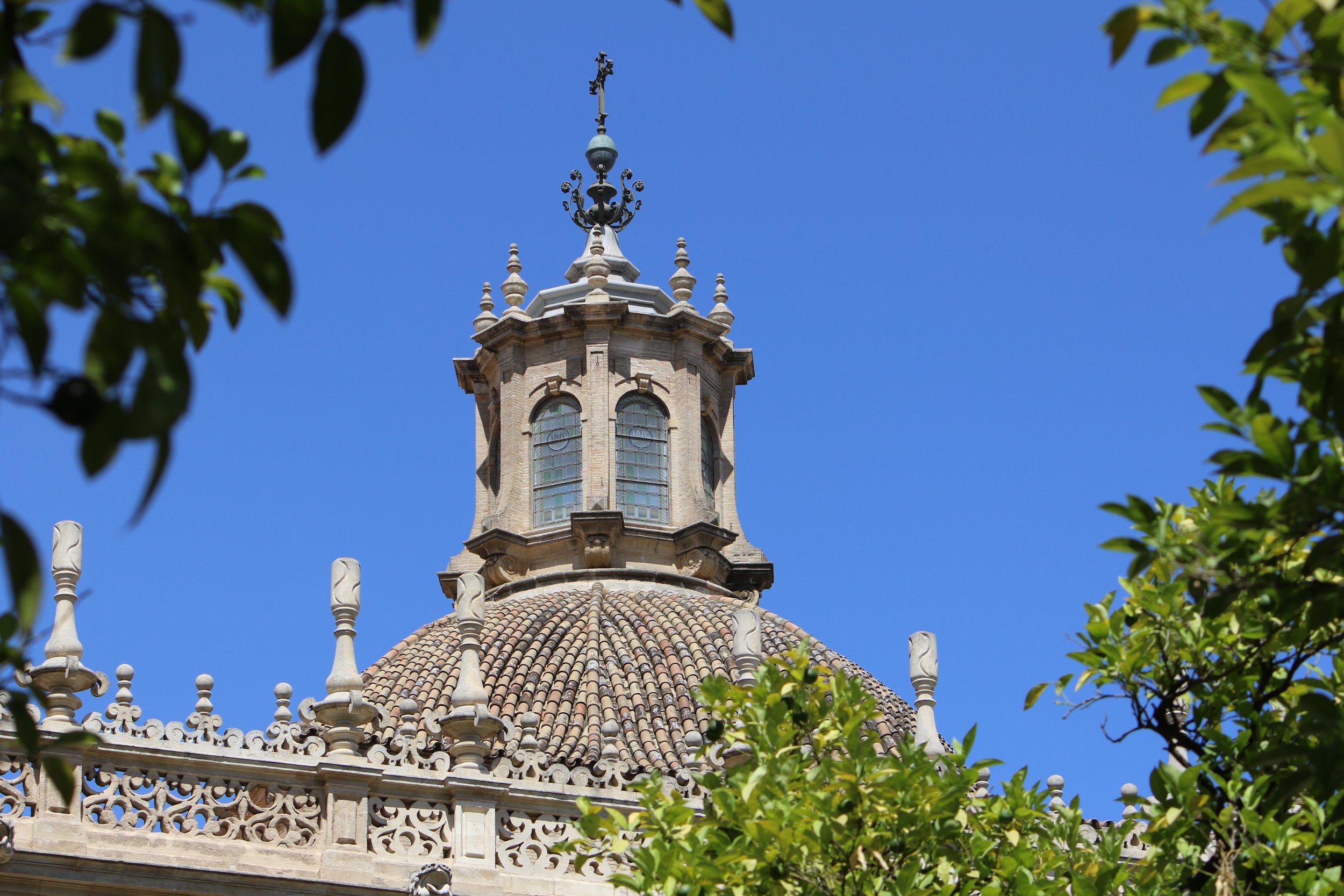
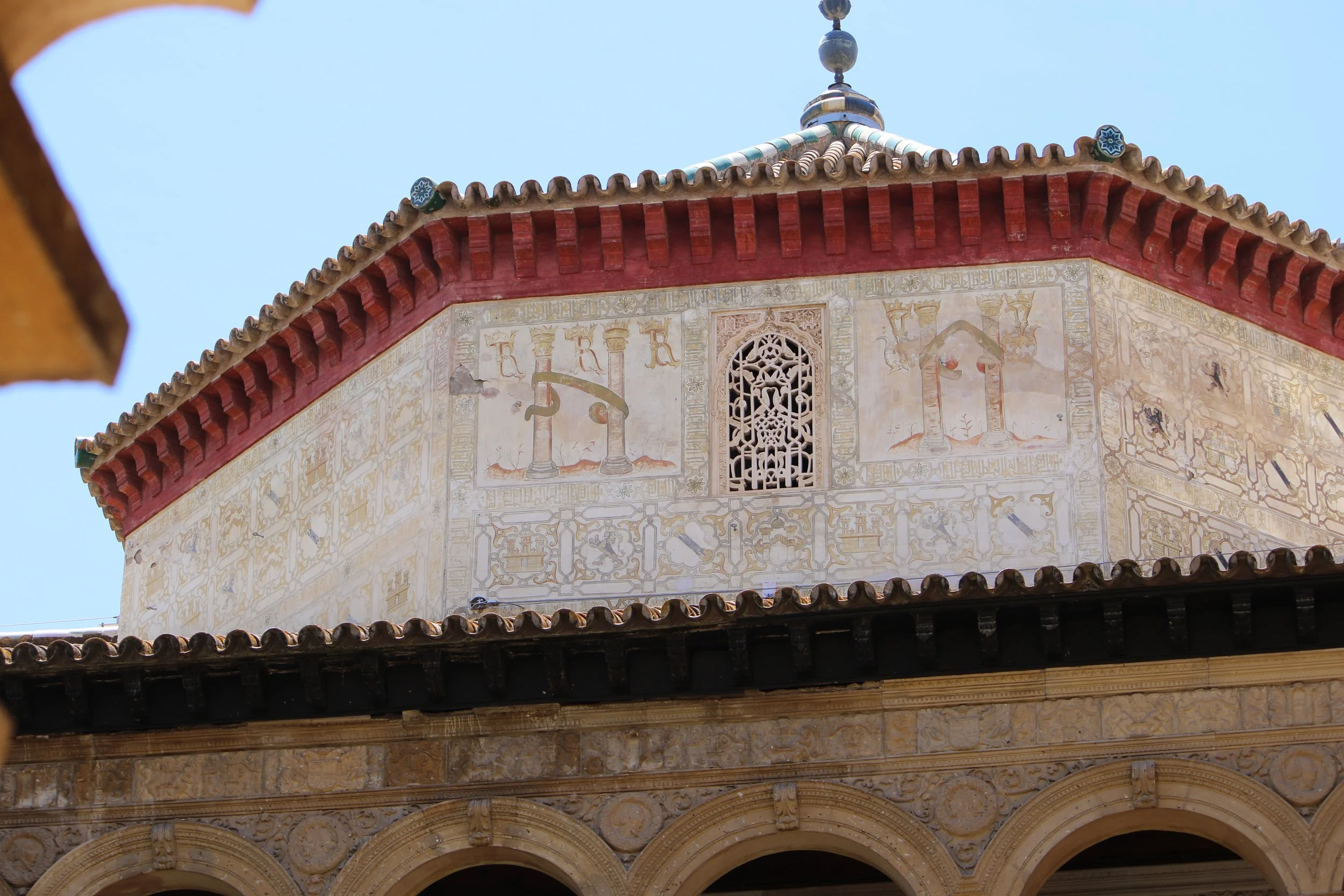
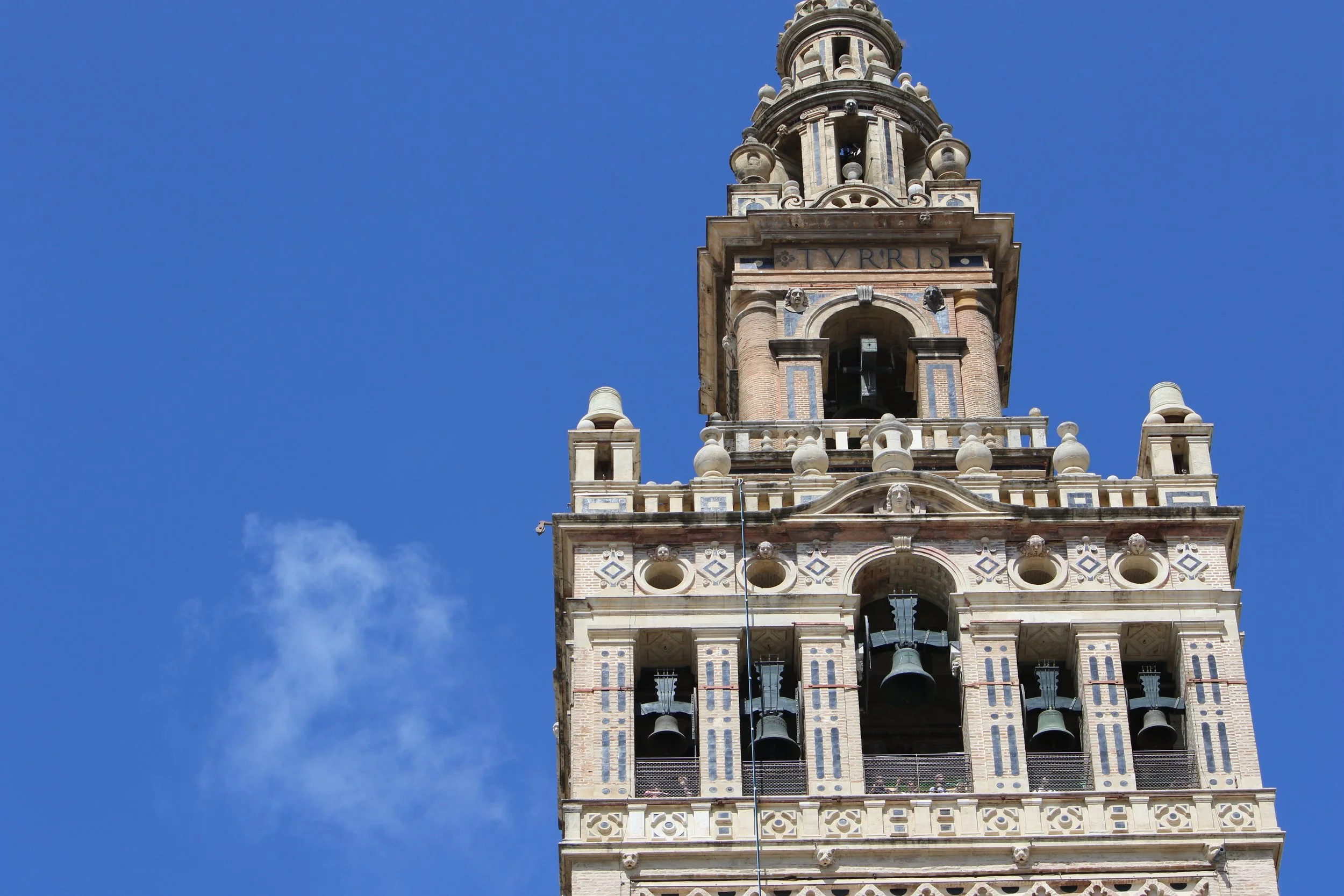
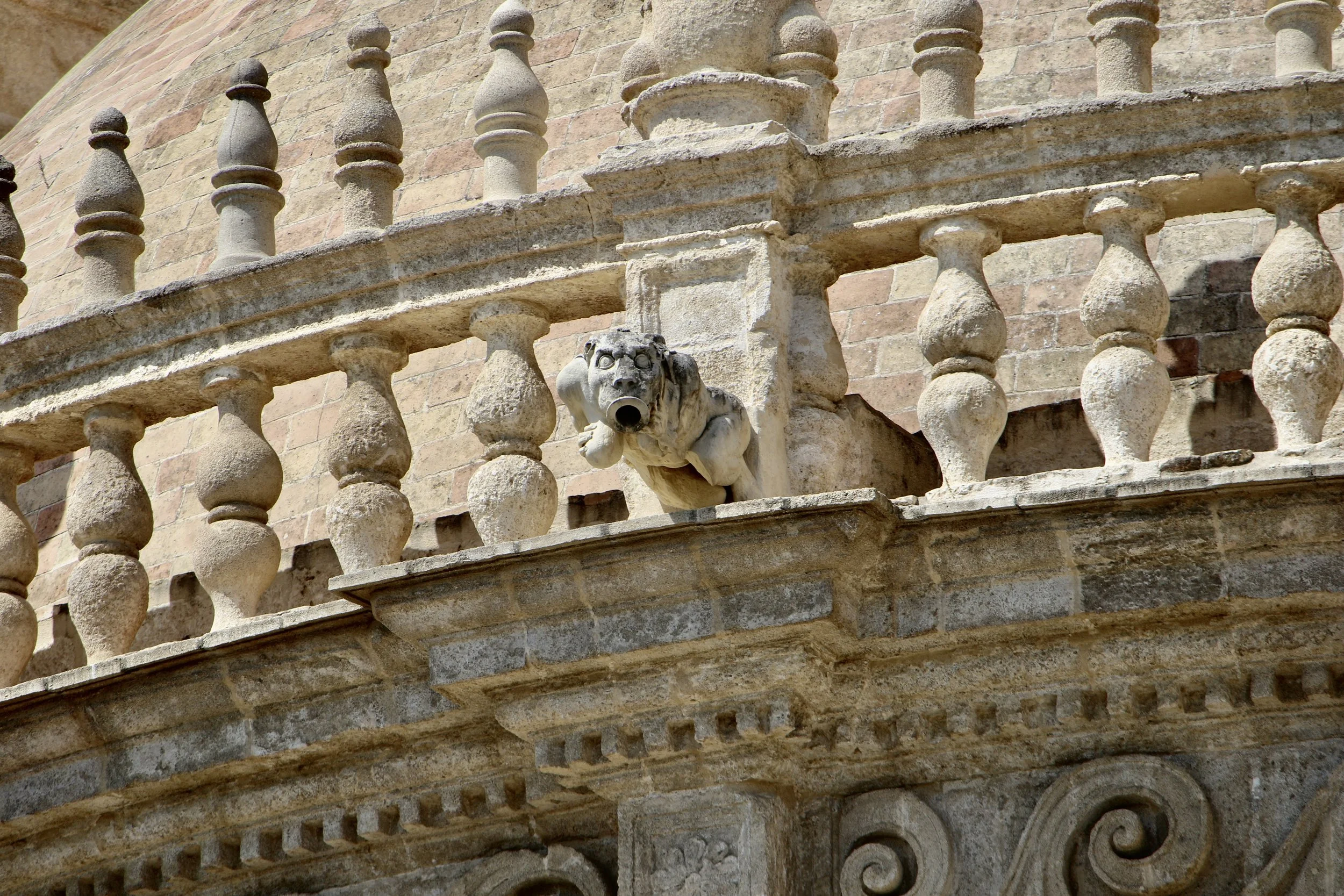
Without any disrespect to the craftsmen or artists, or the physical structure itself, there does come a time in most travelers’ tours where every 15th century Gothic church starts to look like the last one and we hurry through and head out for the next stop. But we still go, and I take hundreds of pictures that no one will probably ever see but me, and Tony, of course, when I force him to look at one I’m particularly interested in. “Ah, yes dear, it’s lovely,” he’ll say flatly. I look again, in awe of the subject matter and the quality of my photograph. I’ll quietly compare them to the pictures stuck in my head from my old high school Spanish textbooks.
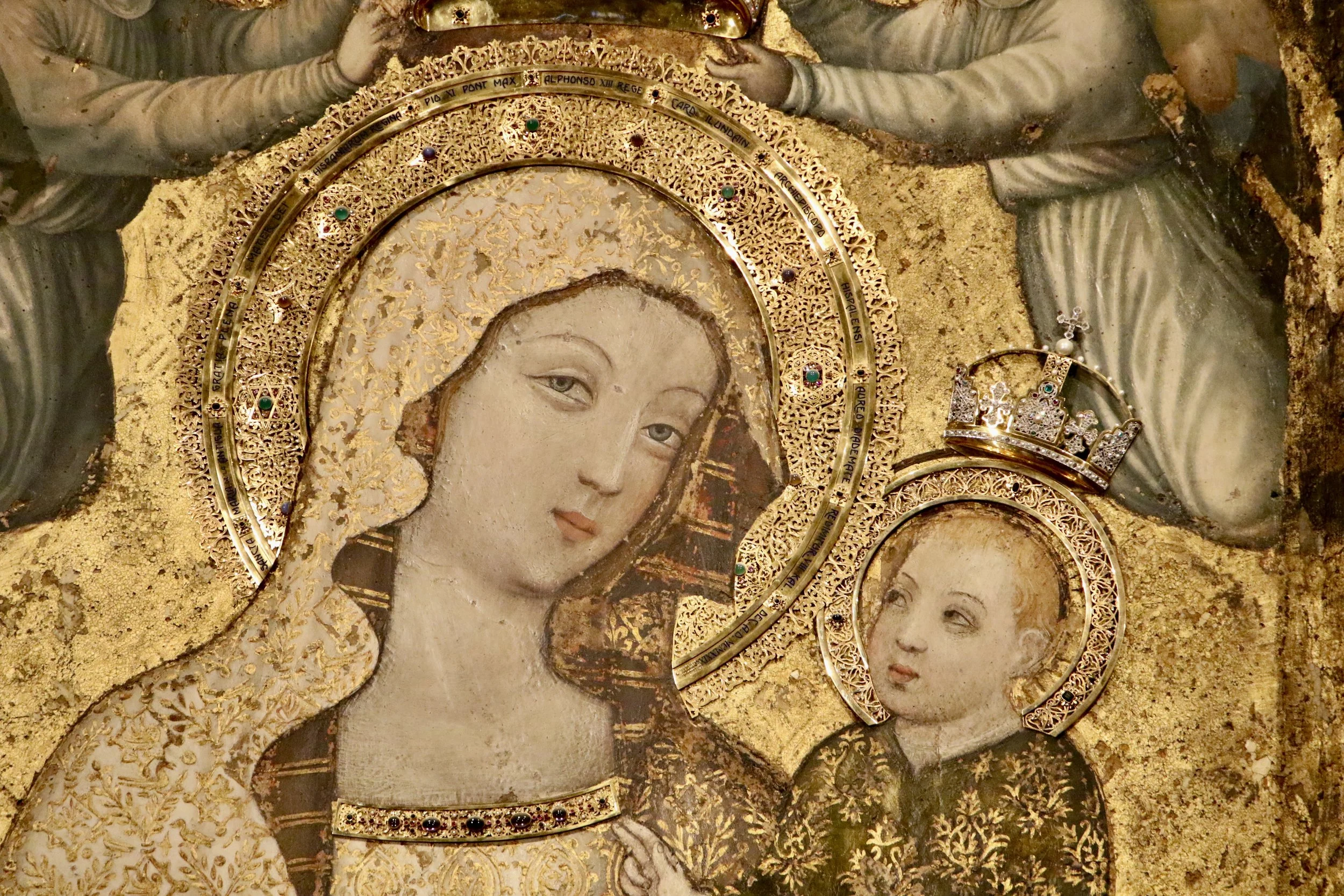
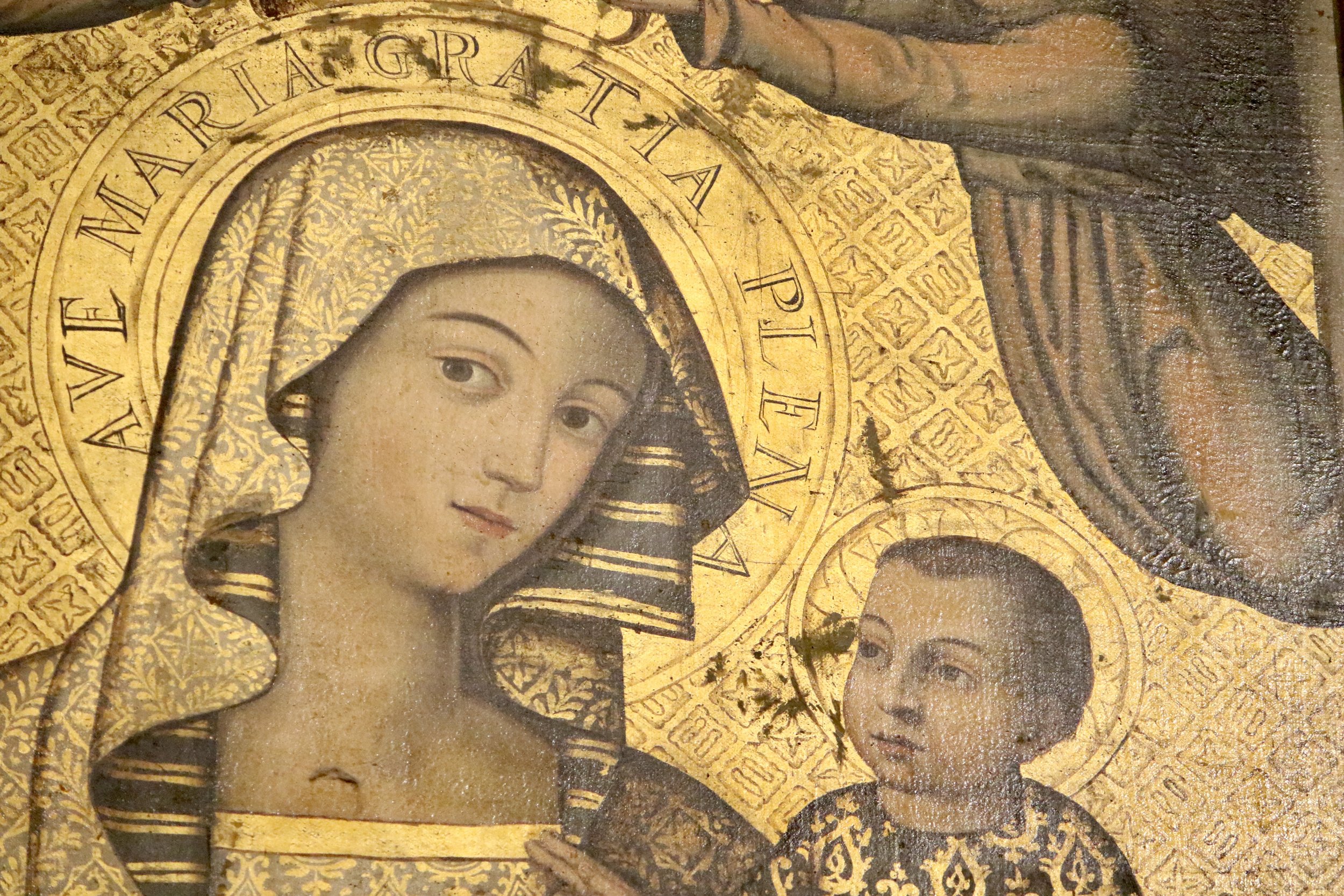
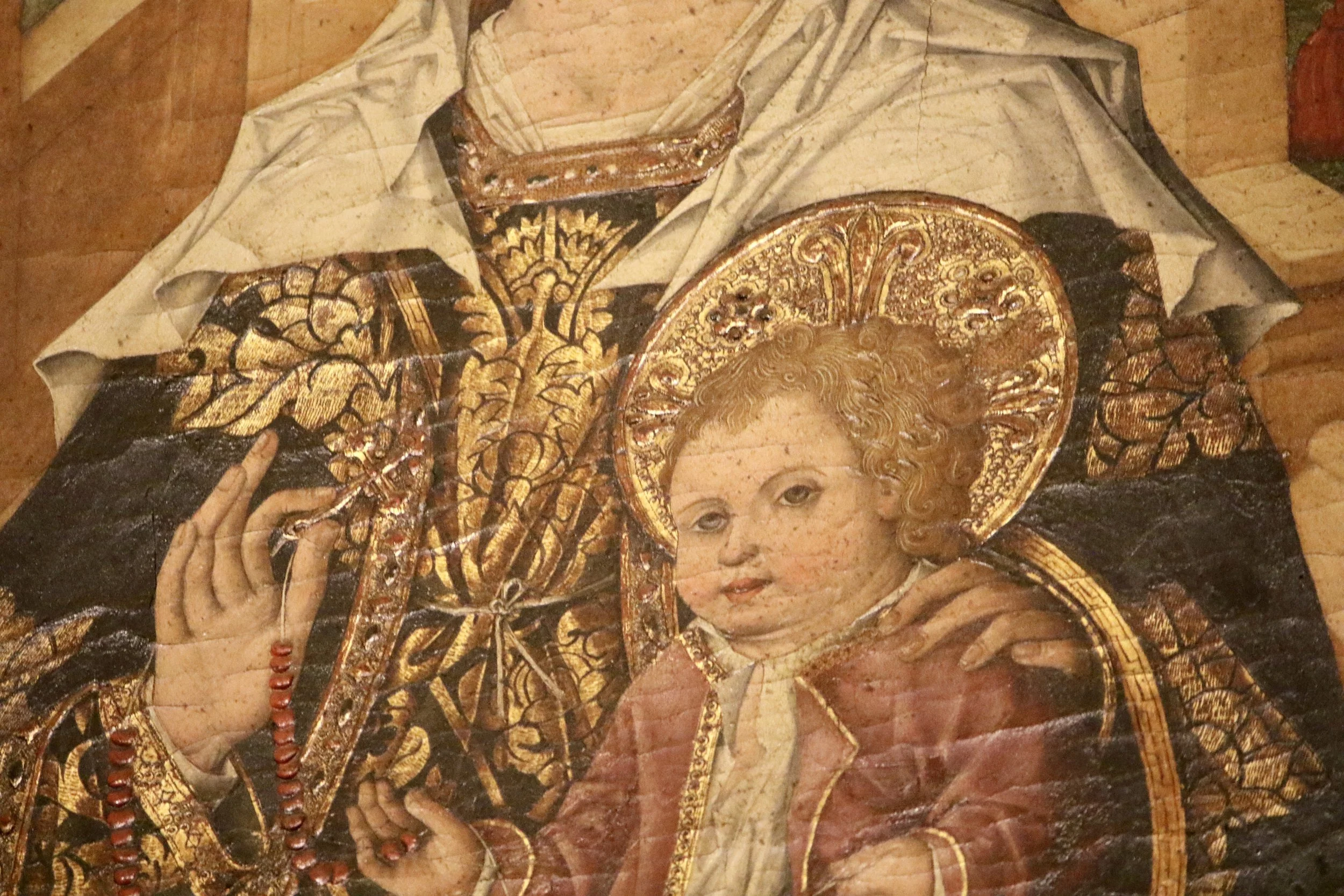
I began learning Spanish in 8th grade. One of my best friends, Lisa, and I enrolled together. We were competitive in an encouraging way and we each started a notebook with a list of every word our teacher said in Spanish, seeing who could build a more extensive vocabulary. We scoured our Spanish textbook like it was a treasure map. Churros y Chocolate.
I only have one specific memory of my first teacher. I wasn’t entirely paying attention to much of what he said one day, but I clocked in when he started talking about masculine and feminine word endings in the Spanish language. He made a quip about how it’s not homosexual, it’s not part of the broken wrist society. As he said it, he lifted his forearm, flopped his hand down, and jutted his hip out, mockingly. Everyone laughed. I was 14 and confused about the joke, and probably laughed along to fit in. He was one of the most popular teachers in my middle school and consistently voted a student favorite. I can’t remember his name.
My Spanish lessons continued intermittently in school until college when I took some additional classes at Macalester. The professors taught exclusively in Spanish. I struggled and it felt like sink-or-swim. My last Spanish professor had a reputation for no-nonsense, in-depth conversation, and tough grading. Toward the end of the semester, she took me aside. My Spanish was not as good as the other six students in my class and if I wanted to improve my grade, she told me I could visit her office for extra conversation, and she would bump me up. I went for my first meeting with the expectation that she was determined to embarass me. She didn’t. We spoke plainly. Occasionally, she forcefully corrected me, but for the most part, we joked about my mistakes and our conversations were fun. In our last meeting, she told me she was excited to finish the semester, go to Spain, and celebrate Gay Pride with her gay friends. She showed me pictures from a slideshow she was preparing on the subject for the next semester.
At that time, almost 20 years ago, I had no reason to predict that I would ever be in Spain, celebrating Pride in Sevilla, asking the woman next to me about the song everyone was singing along to during a drag queen’s performance. I gave it a shot in my most polite Spanish. I was feeling somewhat encouraged by a couple conversations I had earlier that day with a server and the hotel receptionist. The woman at the Pride concert understood me and asked if she could show me the singer in my Spotify app on my phone. Aitana - Superestrella. Tony and I watched the singers and dancers and celebrated all night, proudly.
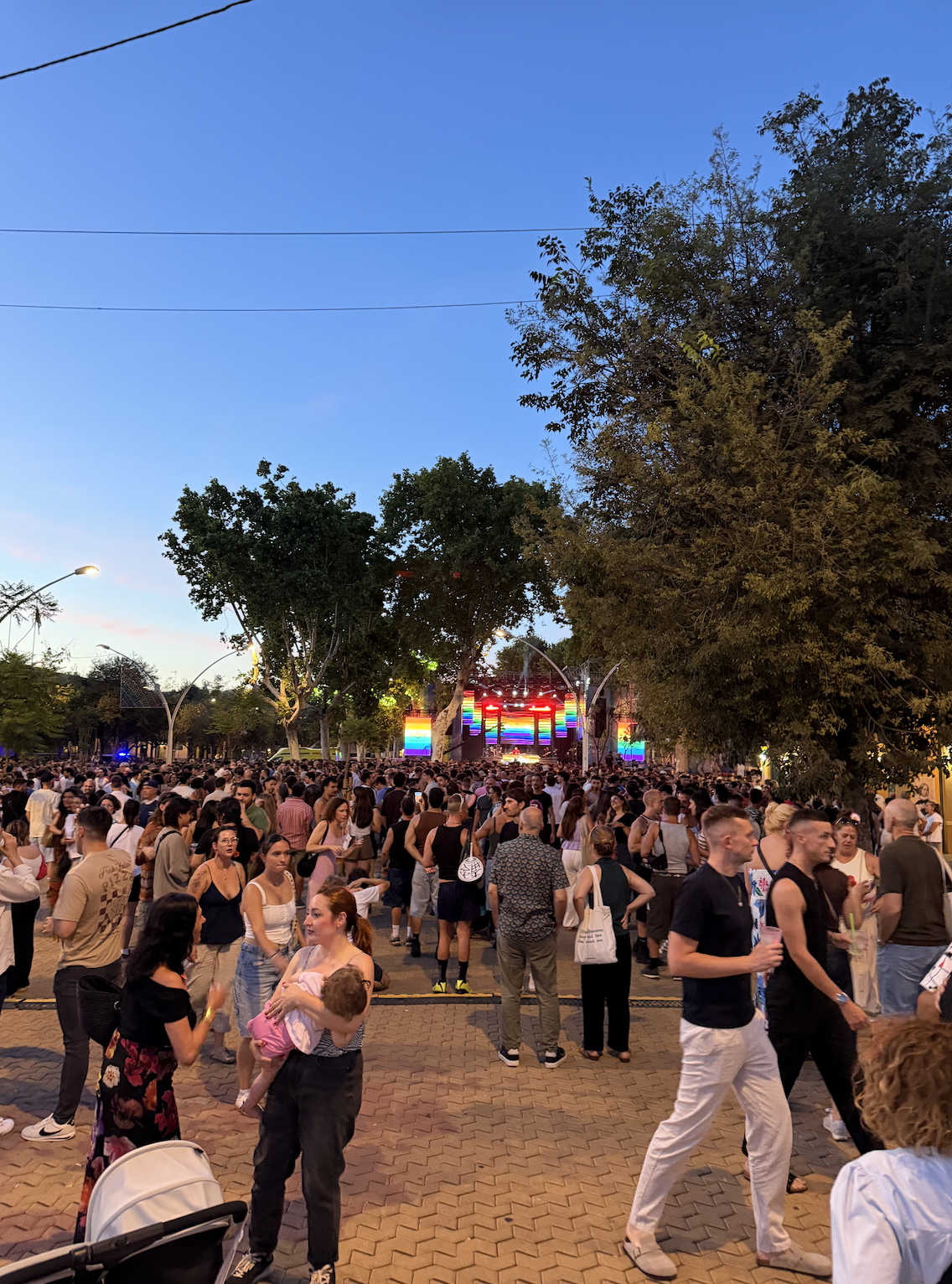
My favorite travel author and TV host, Rick Steves’s, best travel advice is to “crash the party;” step off the typical tourist route and find local culture. In Rick’s phone app you can download free, guided audio tours of the historic parts of most major European cities. Tony and I love walking around a city with our old-school wired headphones trying to sync our audio with one another so we can see everything Rick describes at the same time. He shares the history of the buildings and he points out places and things that dozens of people are walking right past. Don’t you want to see the oldest door in Madrid? Buy cookies from nuns? Did you know Galileo helped design this statue? It’s cool, I swear! Rick invites you to be a participatory tourist; embrace the local customs; be friendly; talk to strangers. At Pride, in Sevilla, we couldn’t have found a better party to crash.
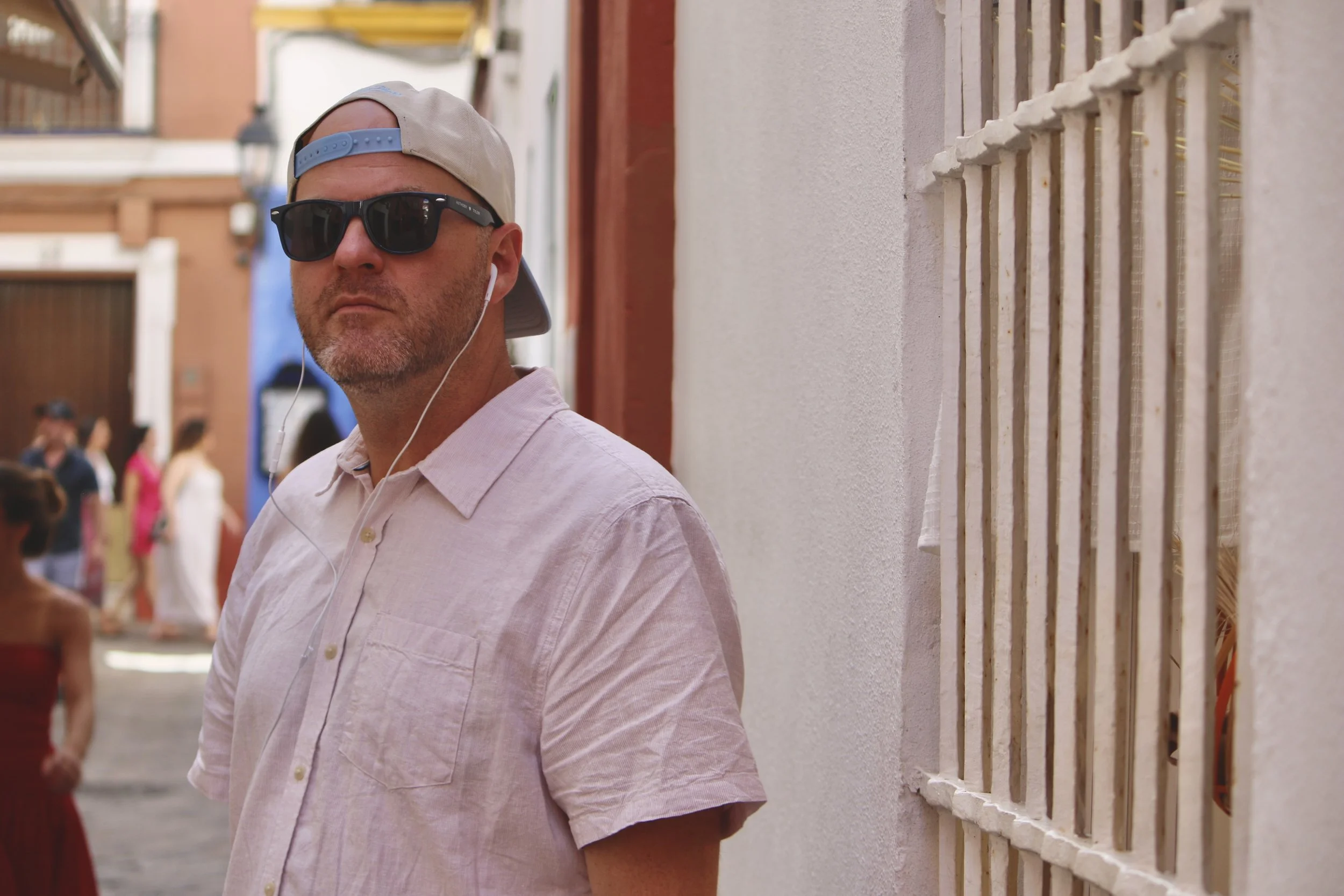
Earlier that day, we were desperate to beat the Spanish heat, rest, and really slip into vacation-mode. Tapas and Tinto de Verano sounded like the perfect treat. As soon as we relaxed, our minds went to the same place: we missed the kids. I told Tony how much it kills me that I don’t know what they’re doing every day and I can’t be with them all the time and that, at some point, their lives will go on without me. I felt guilty and loving and unimportant and sad and controlling all at the same time. I was on the verge of tears. Tony, accustomed to my dramatic flair, just smiled. I tried my best to shake it off and squash my thoughts. I didn’t want to dwell on it and kill the vibe; we were on vacation, in Spain, finally, and the kids were doing great, and our trip was far from over.
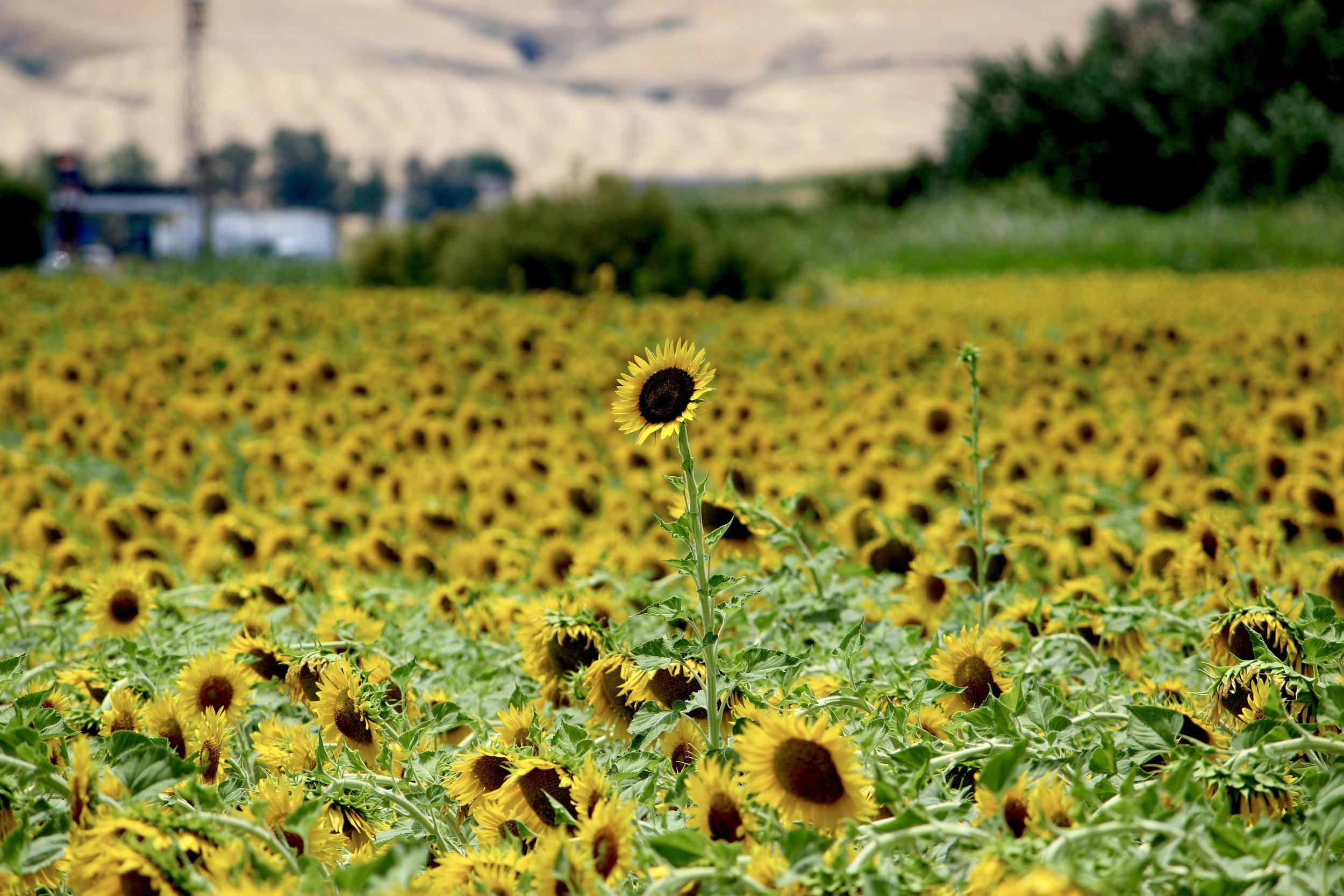
Alhambra is a place in Spain that I knew we had to see. According to every tourist website, no trip to Spain is complete without a visit to the city of Granada to experience The Alhambra. It’s an extensive fortress and palace complex with the primary construction of what we see today beginning in 1238. Recent archeological excavations have found stones and potential structures dating even further back, to the Roman occupation in Granada. A complete visit would take almost four hours. I have no shame in admitting that this medieval period in European history is one of my favorite subjects to learn about.
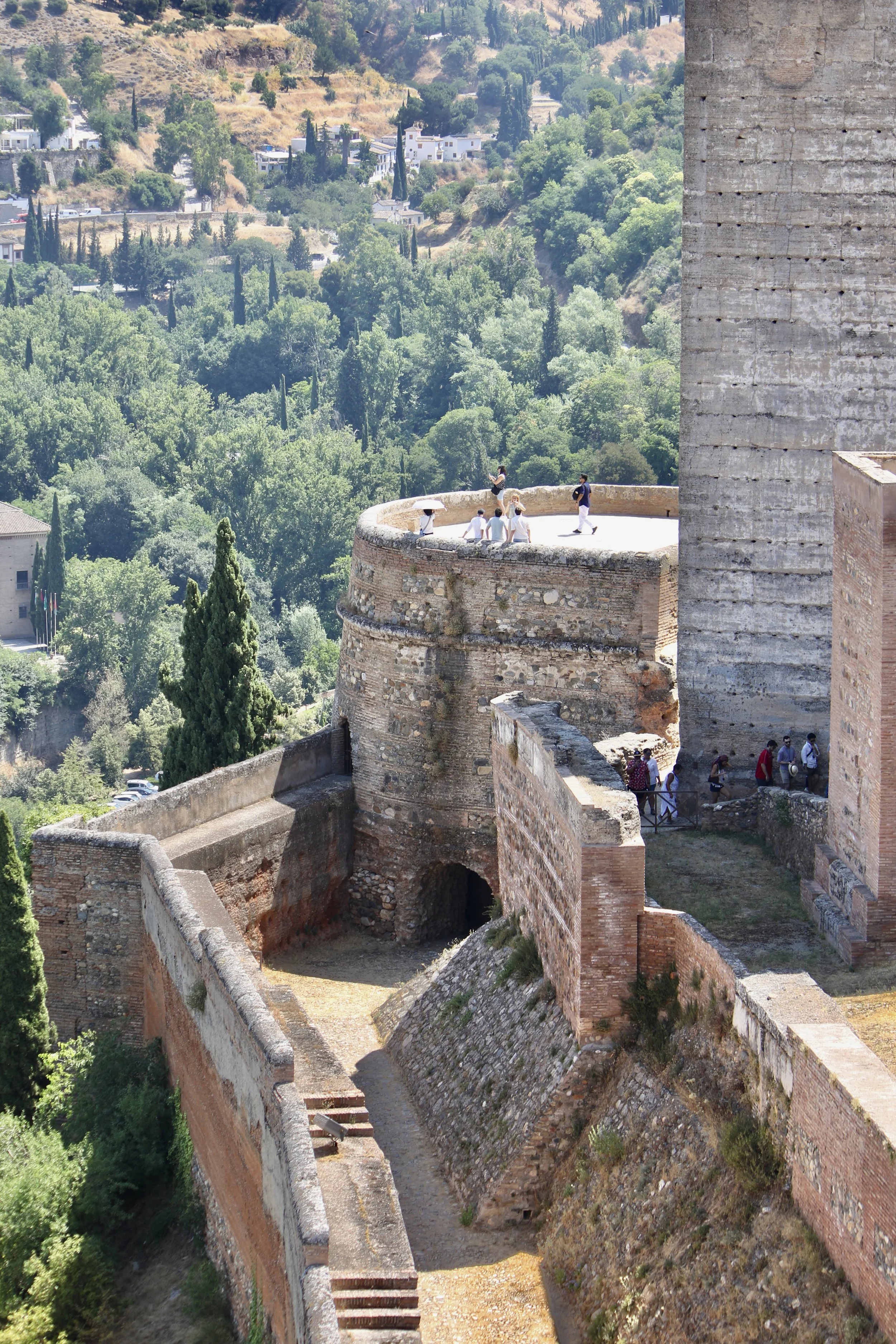
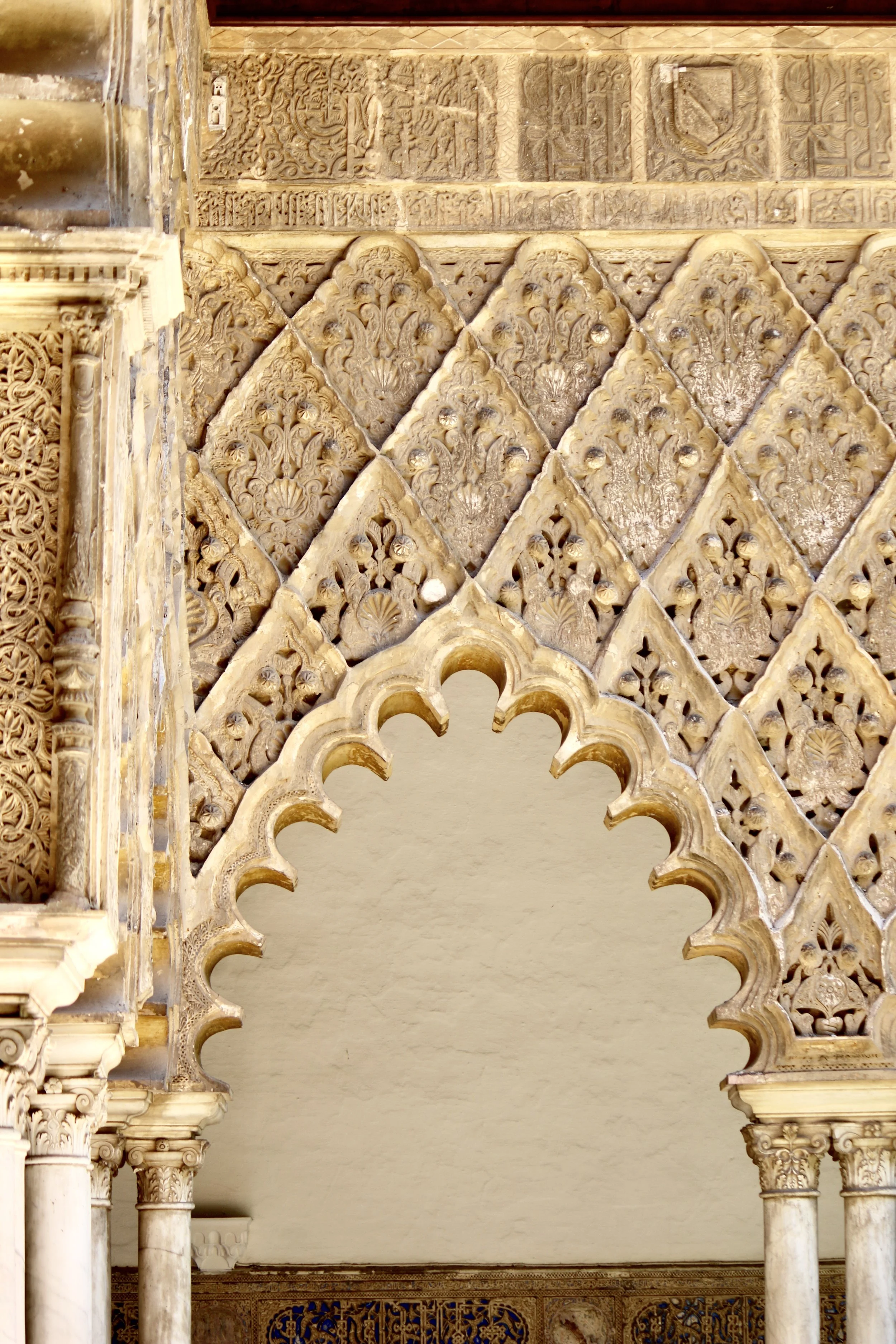
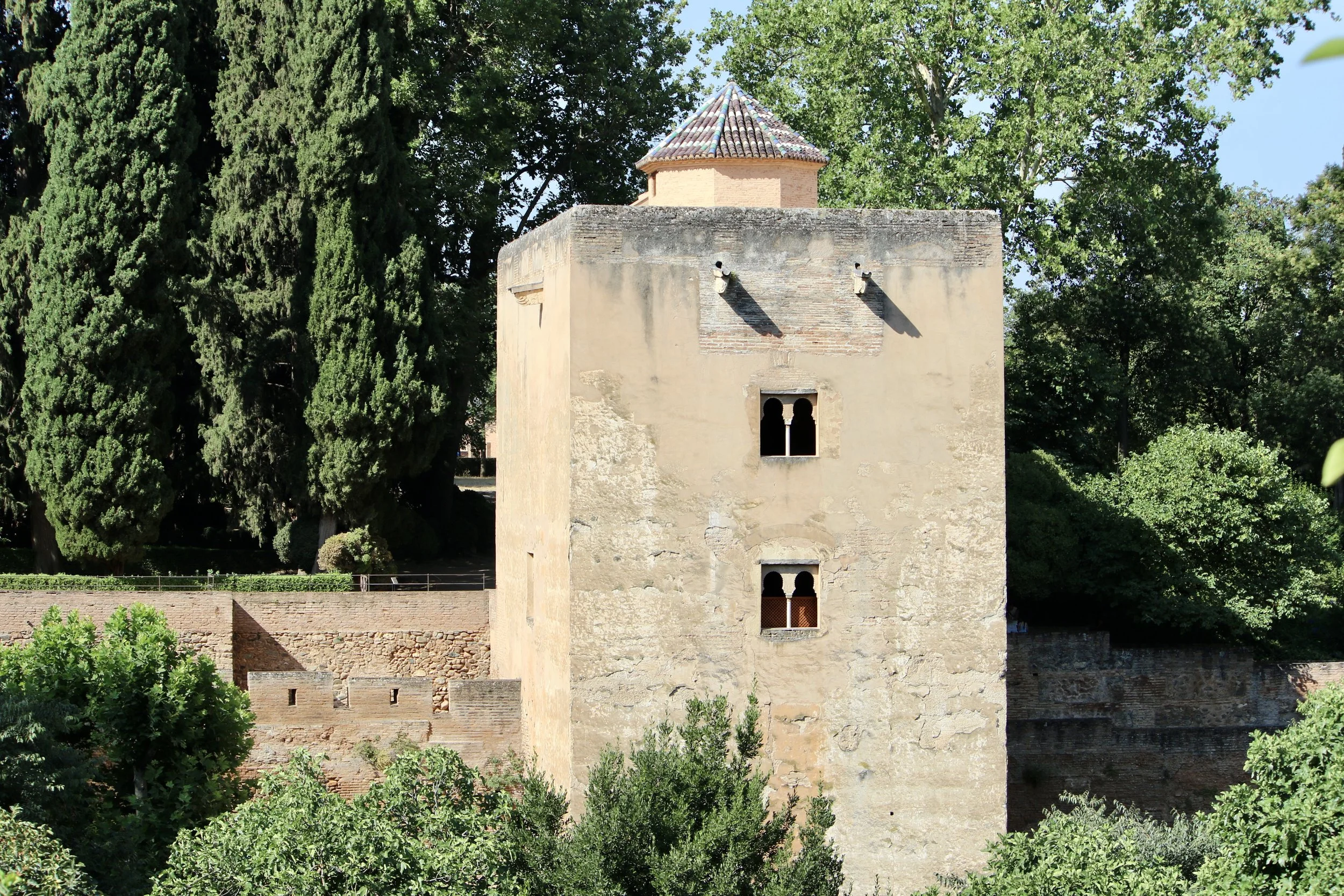
Rick Steves doesn’t have an audio tour of Alhambra and I wanted to get the full experience and avoid a large tour group, so we opted for a private tour. When the front desk staff at the tour office told our guide that her customers were ready, I could see her make a face that read, “Ugh, probably a couple dumb Swedish tourists who are going to waste my time.” She probably felt correct when she saw us. My running shoes, oversized t-shirt, and flat-brimmed hat with an American football logo didn’t exactly scream 13th century European scholar, but we all have our vices.
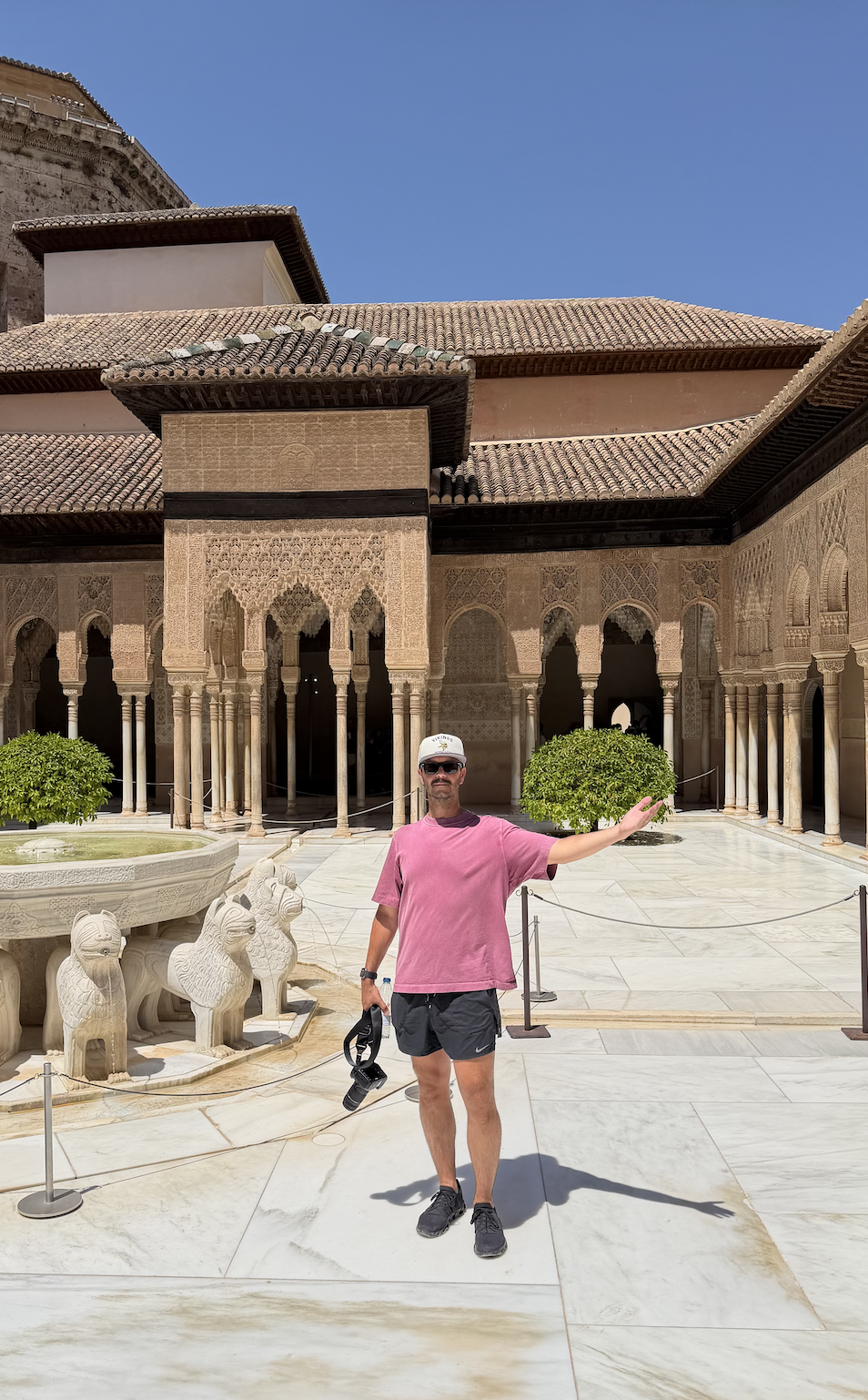
Ruth was a true art historian and an excessively confident tour guide. We conquered the entirety of the grounds. She took pictures of us at the famous, picturesque spots, and stopped to tell us about the history, art, and architecture in everything we could see. She quickly learned that, by our own education and an incredible tour guide in Sevilla, we had a deep understanding of the historical figures and styles and she became increasingly lively in her conversation.
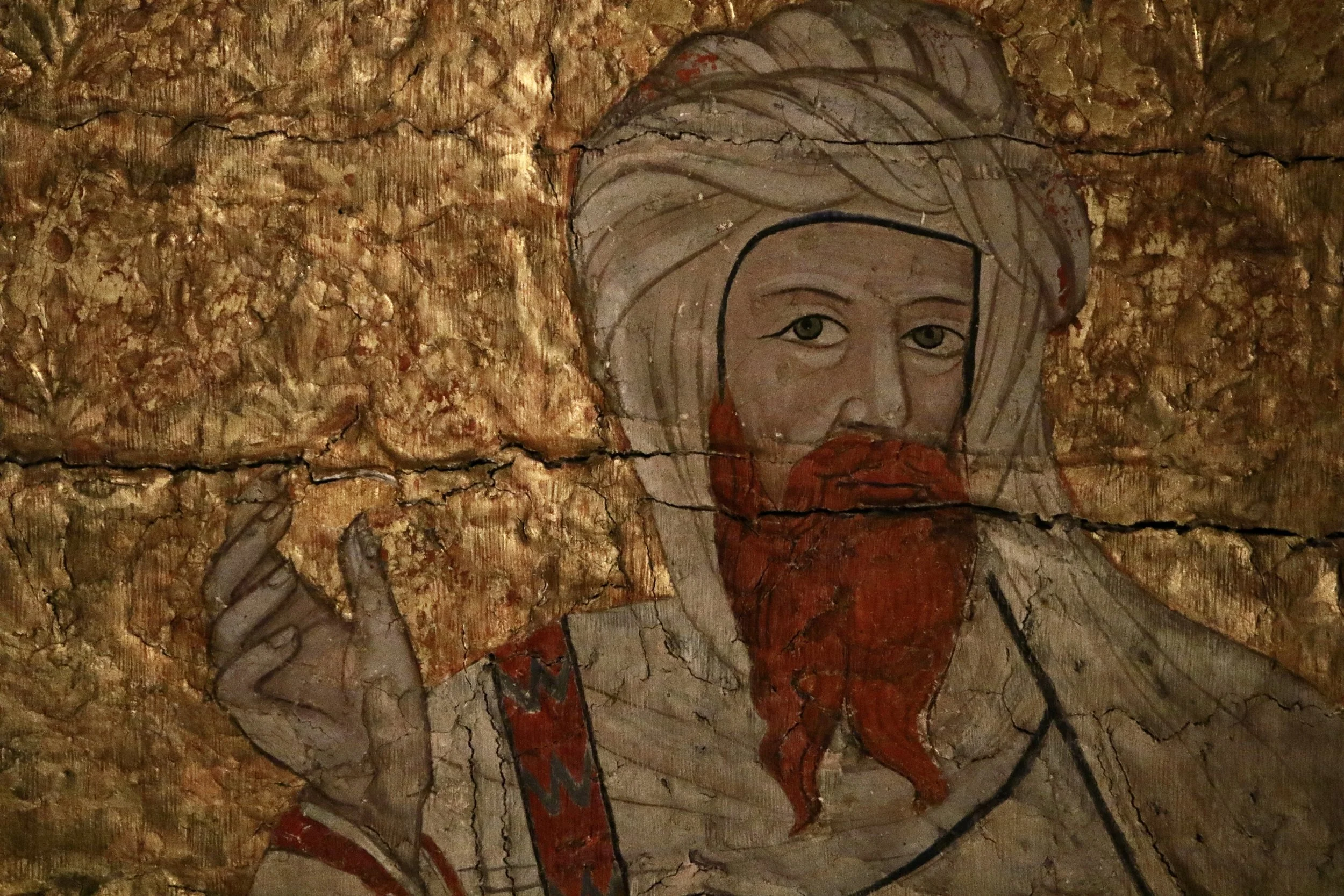
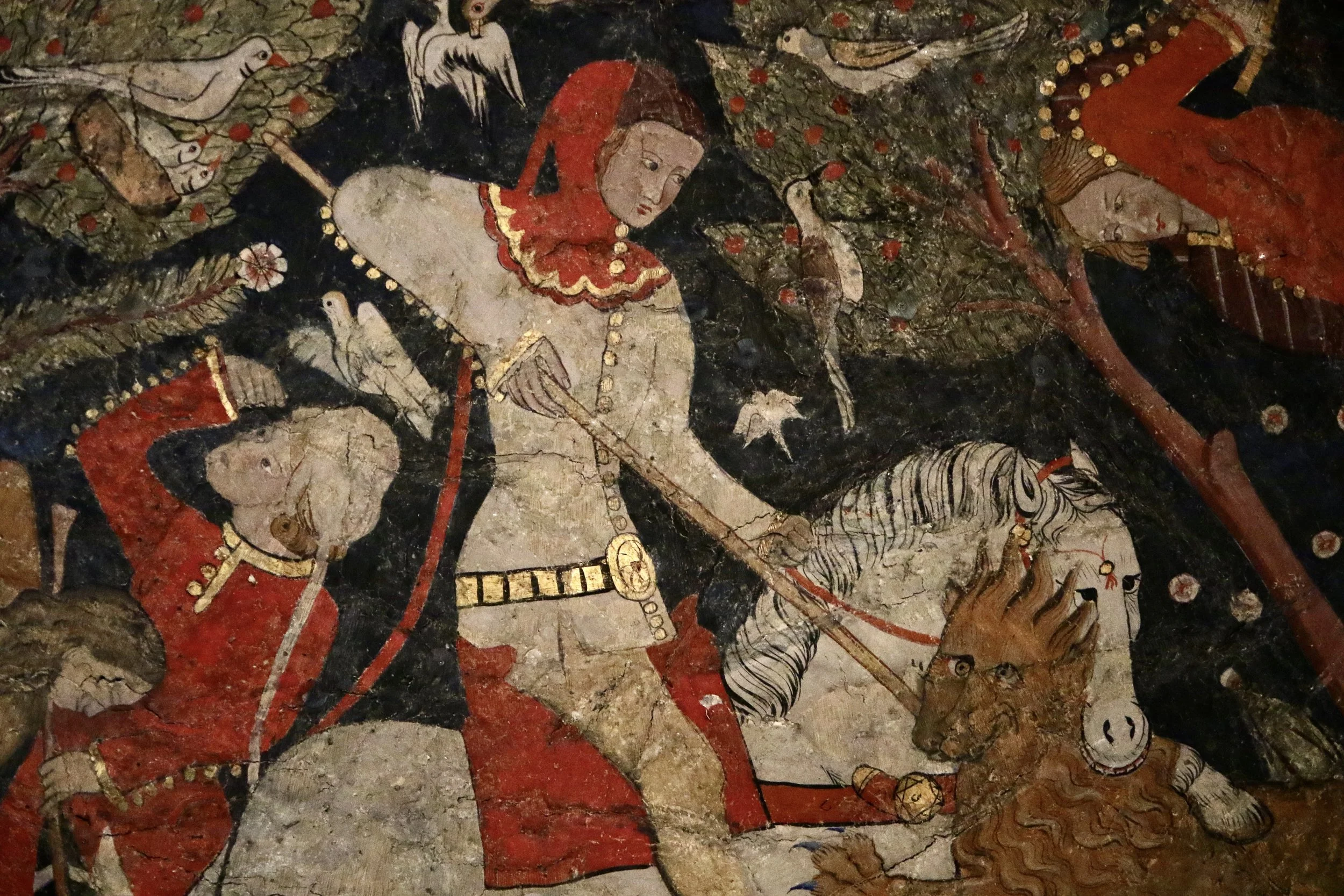
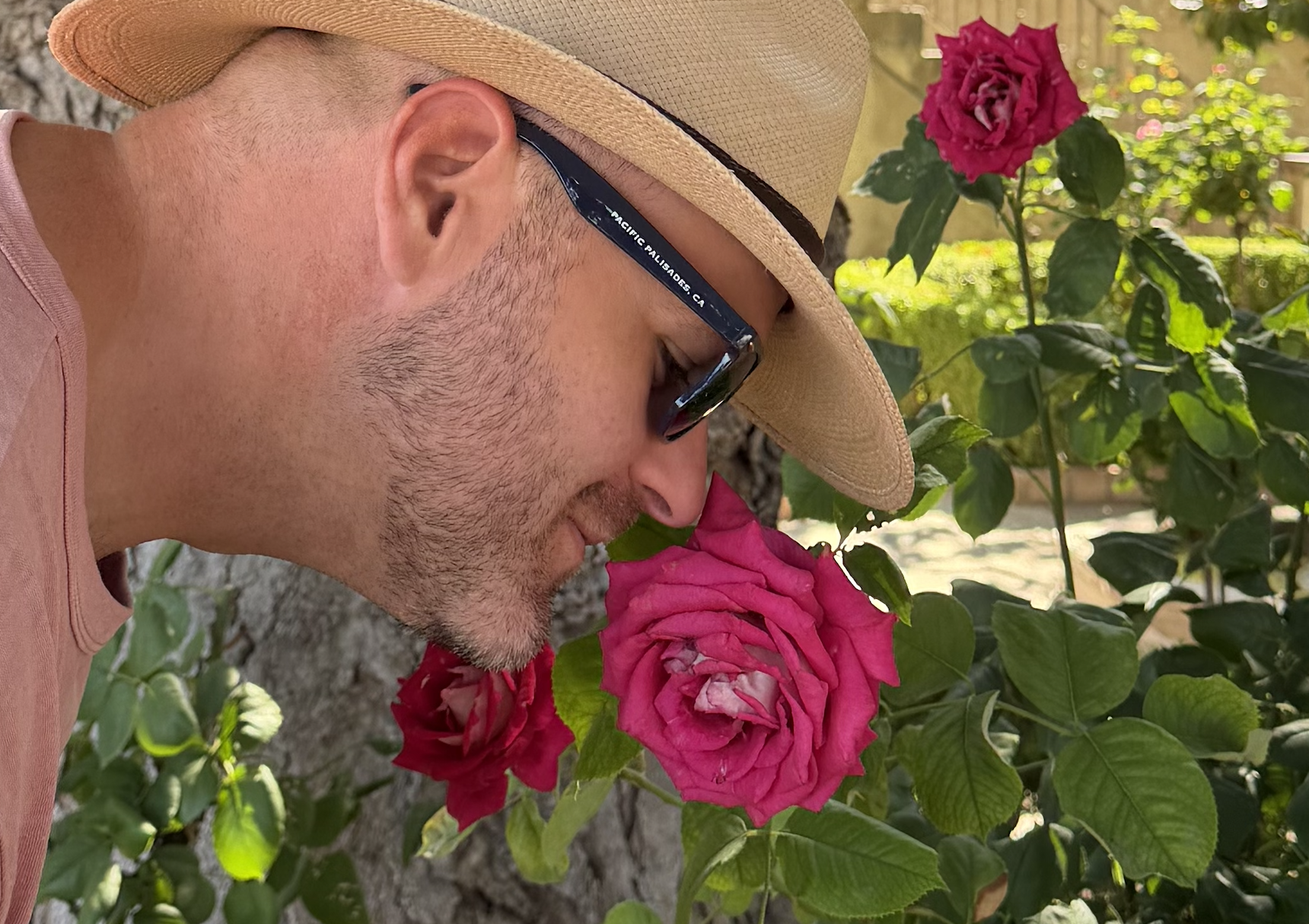
Although not at all my intent, I did manage to stump her, twice, and she jokingly said, “Not the dumb French tourists I thought I was going to get; smart Americans!” Like almost all of the Spanish people we encountered, she was polite, spoke quietly, and never rushed. She showed us her favorite roses in one of the gardens and said we could smell them. “Oh cute! We can stop and smell the roses,” I said. She had never heard that expression. She loved it.
We endured the drive to Barcelona with podcasts, Rick Steves interviews about Barcelona, and the new songs we learned in Sevilla. Our objective in Barcelona was clear and simple: see another church, the Basílica i Temple Expiatori de la Sagrada Família.
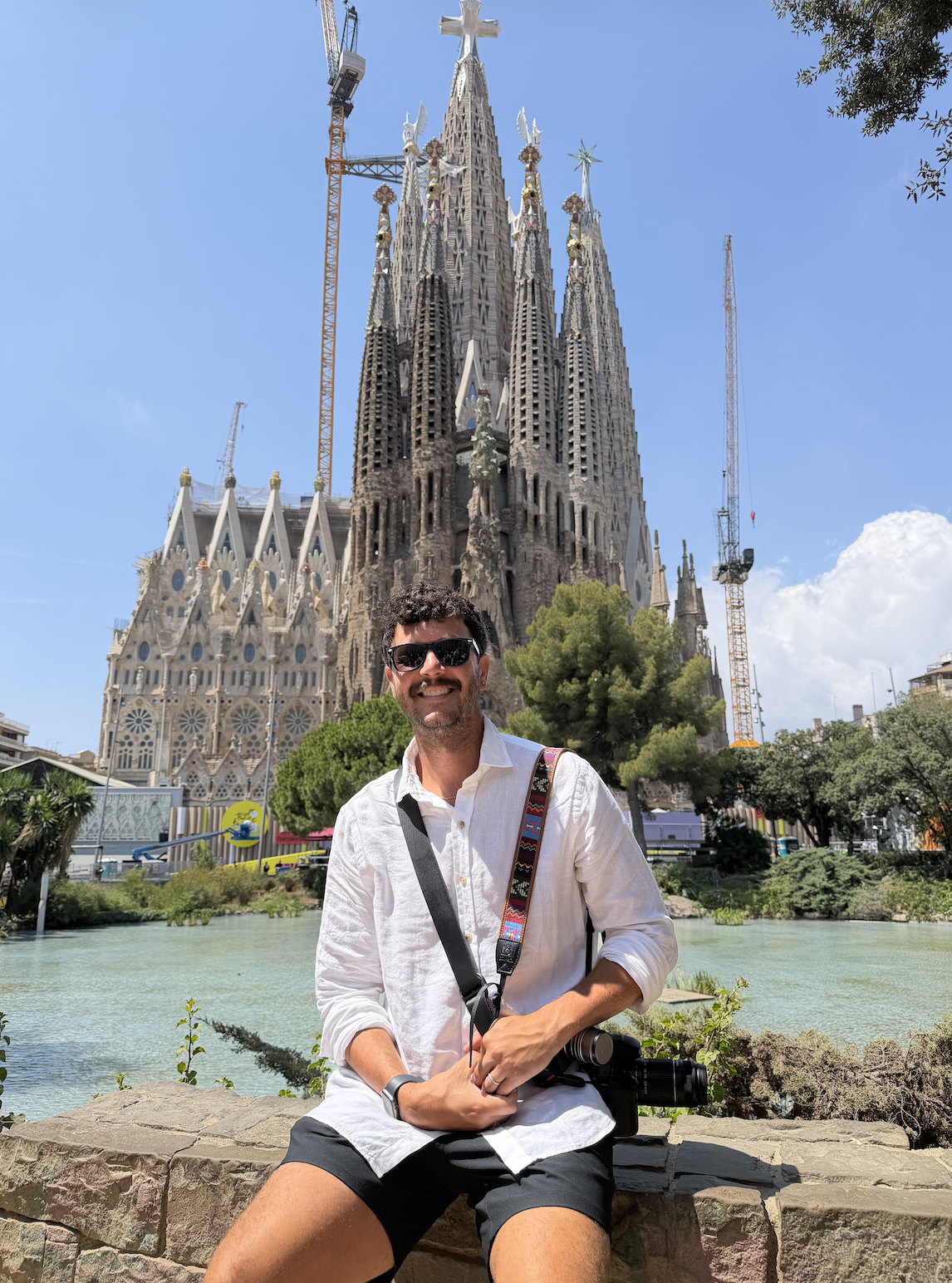
The church had just been the subject of major news: a papal visit, and construction was now “finished.” After 144 years, the massive building, which began construction in 1882 under the direction of architect Antoni Gaudí, was finally nearing completion. However, as any tour guide there will tell you, that’s a lie. Our tour guide guessed the remaining pieces would need 15-20 years of work before wrapping up. But for now, the main, central Tower of Jesus Christ was constructed, ahead of schedule, just in time for the new Pope to visit, so, in essence, it’s “done.”
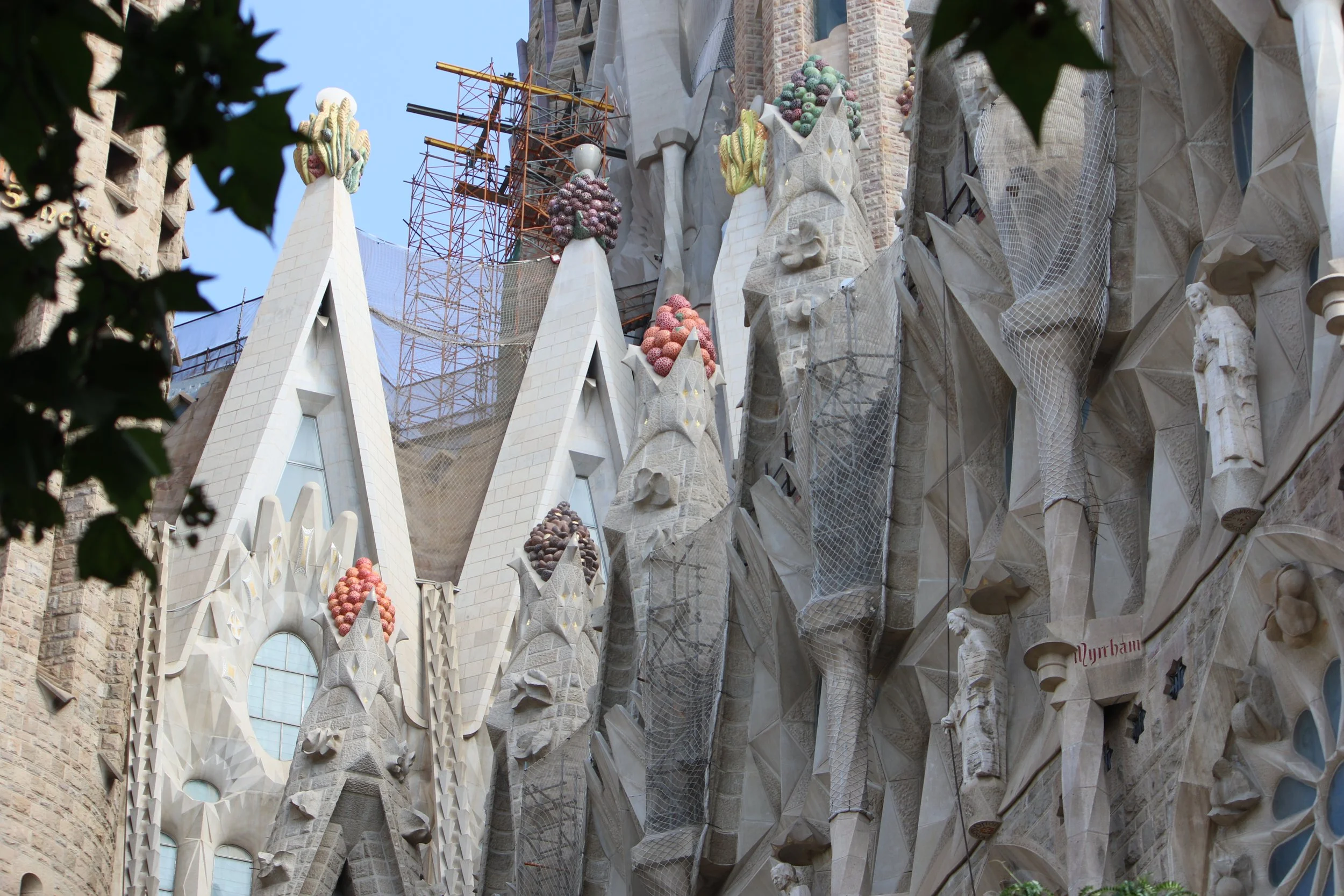
Gaudí spent his entire life working on the Sagrada Família and you can visit his tomb in the basement. He made plans for all the unfinished parts as he knew that there were decades, perhaps centuries, of work remaining. He also accommodated for future architects who he knew would leave their mark on the building.
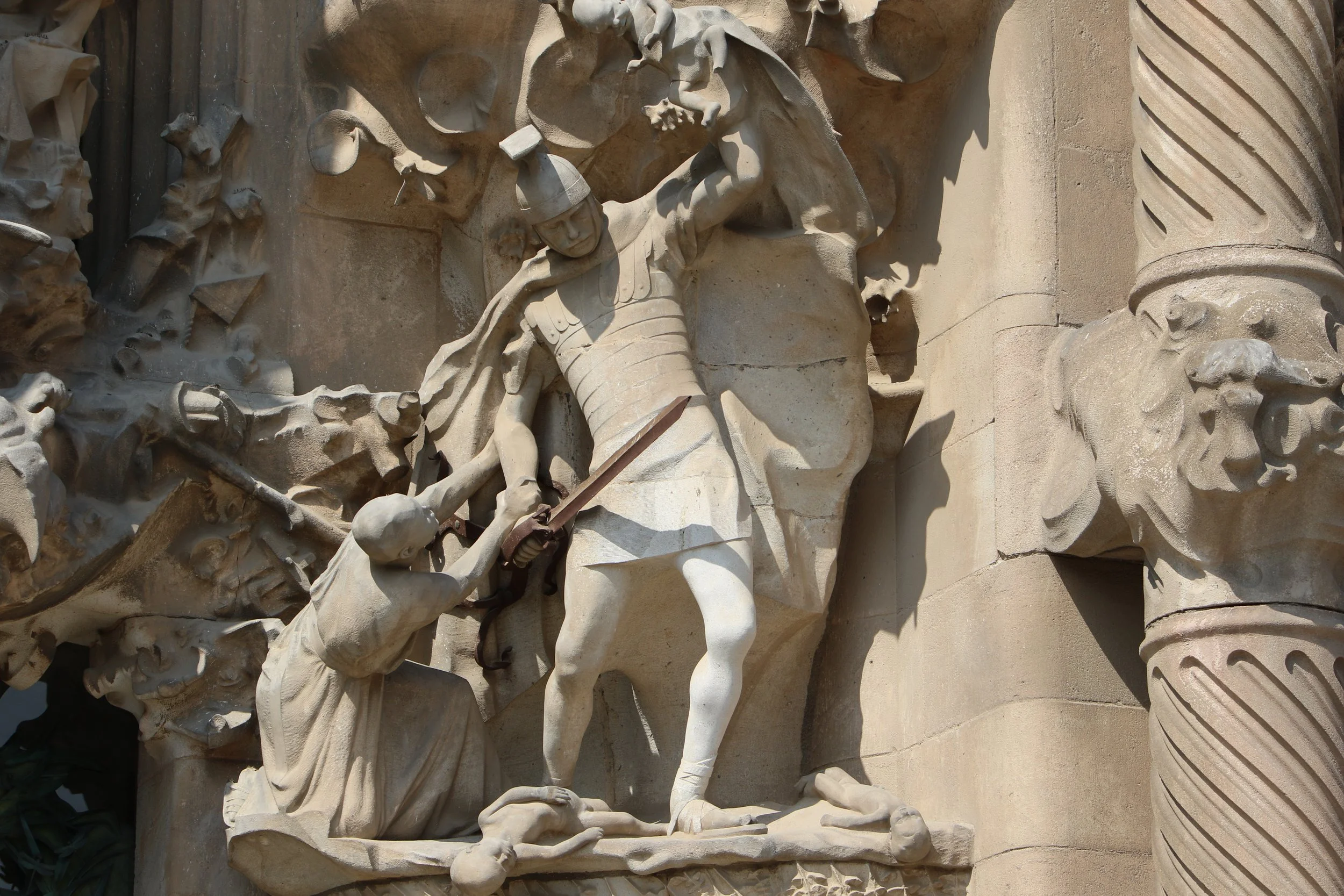
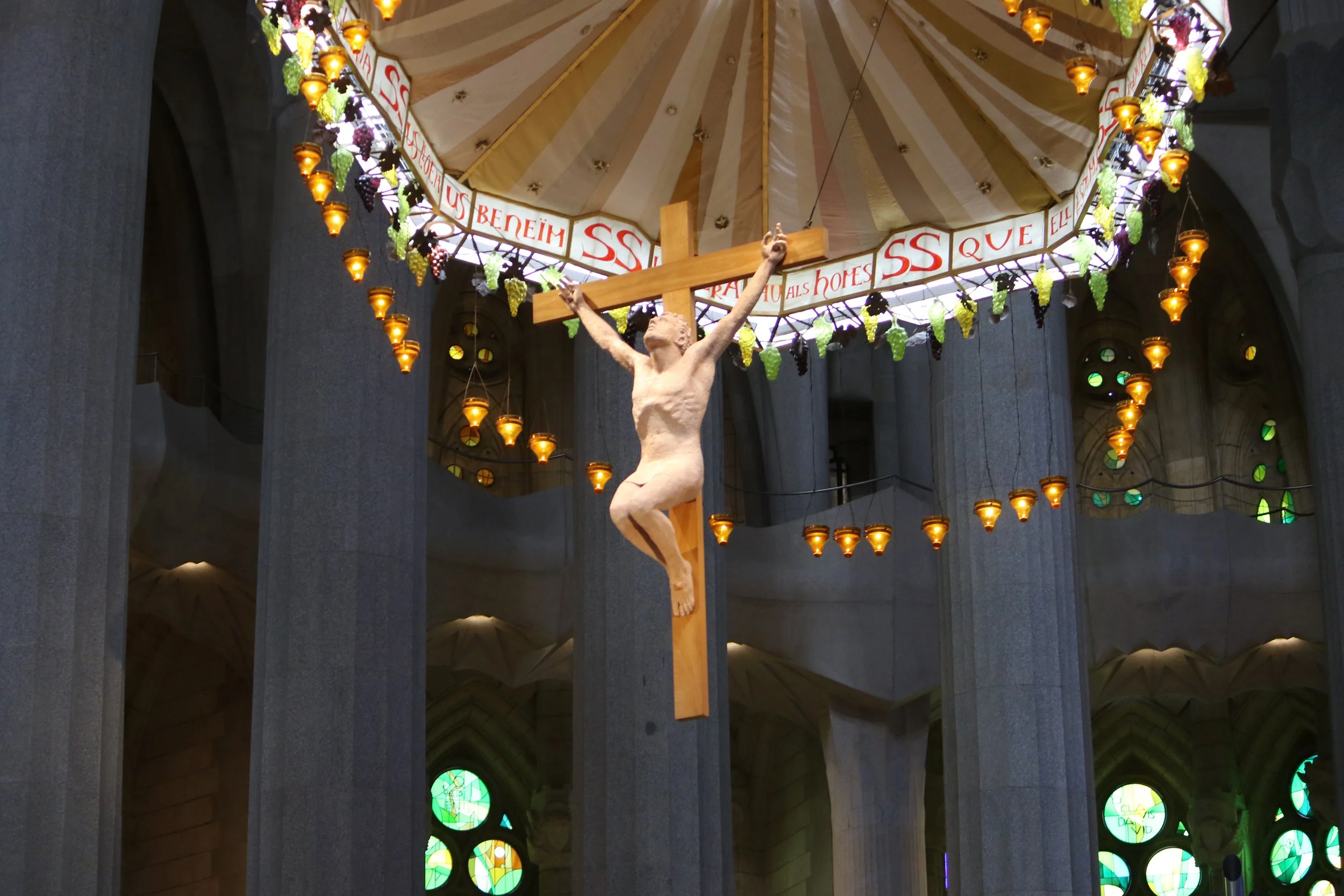
Gaudí’s beautiful building is huge, and with its central tower measuring 566 feet, it is the tallest church in the world. The scale alone isn’t what makes it incredible, it’s the style; a blend of Catalan Modernism, Gothic, and Art Nouveau. Without exaggeration, there’s nothing like it. The exterior of each facade is covered with enough detail to fill a full-day tour.
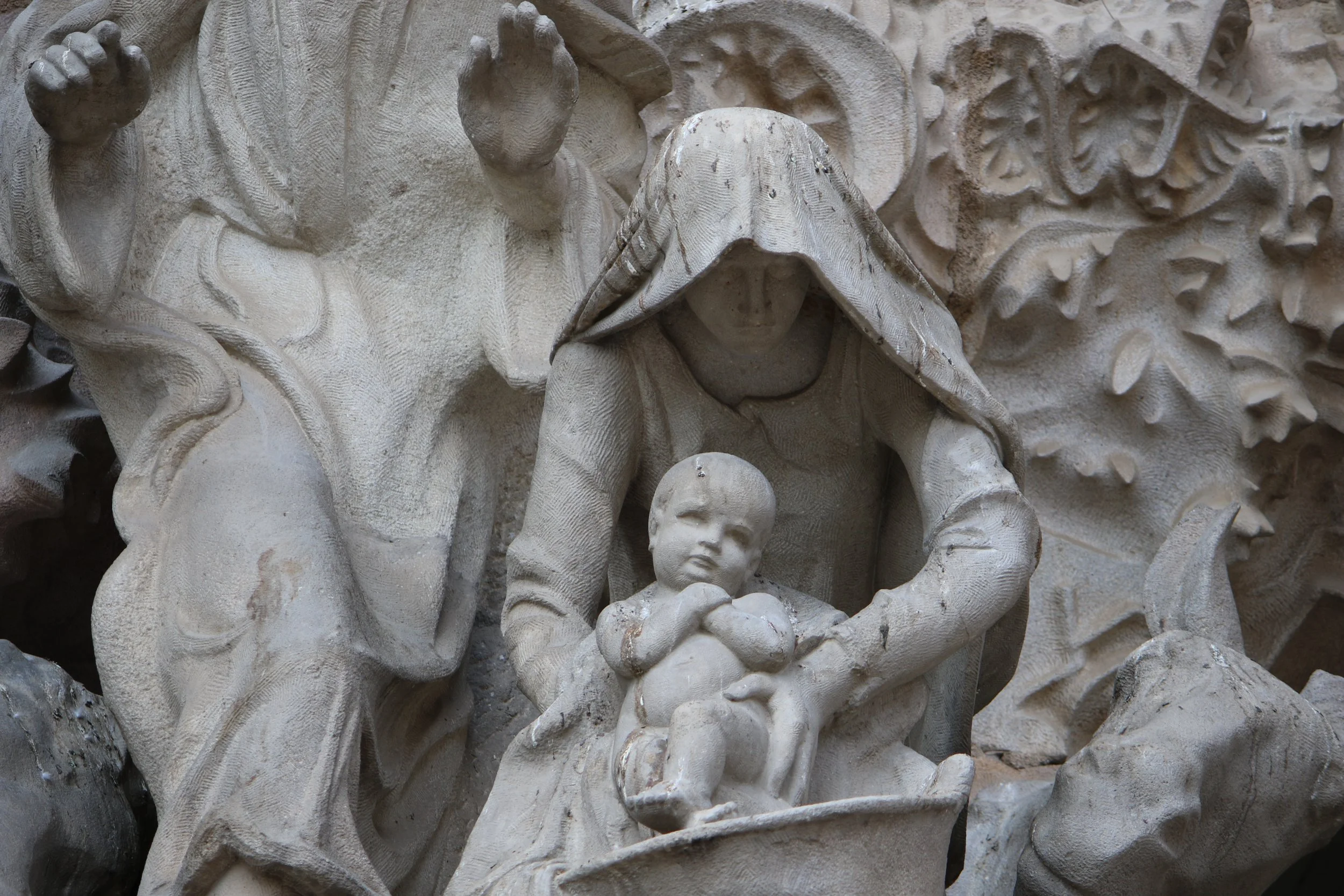
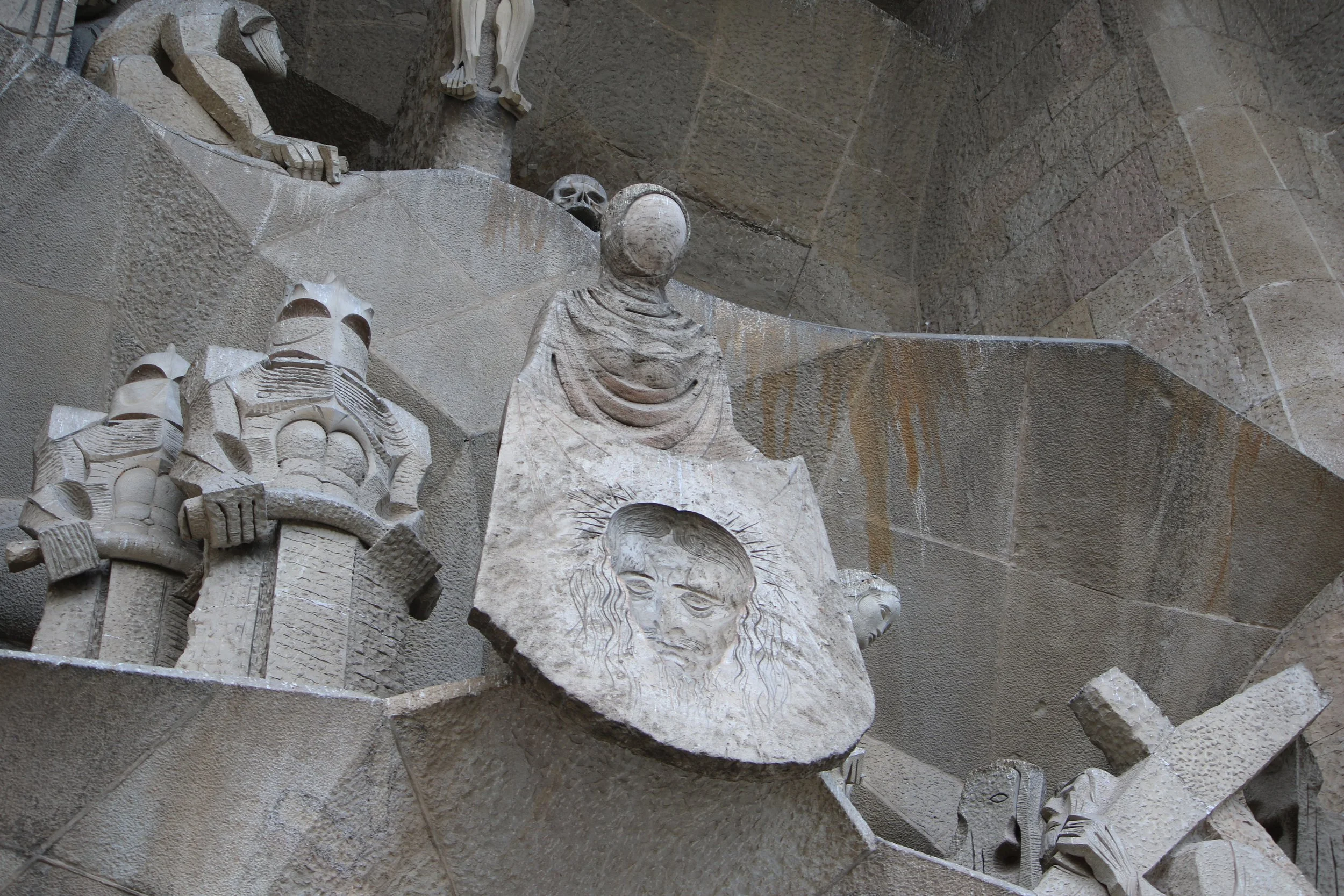
The interior evokes a feeling you’ve never had in another church. It draws your eyes upward, immediately, and your struck with the amount of light and color entering through the hundreds of stained-glass windows.
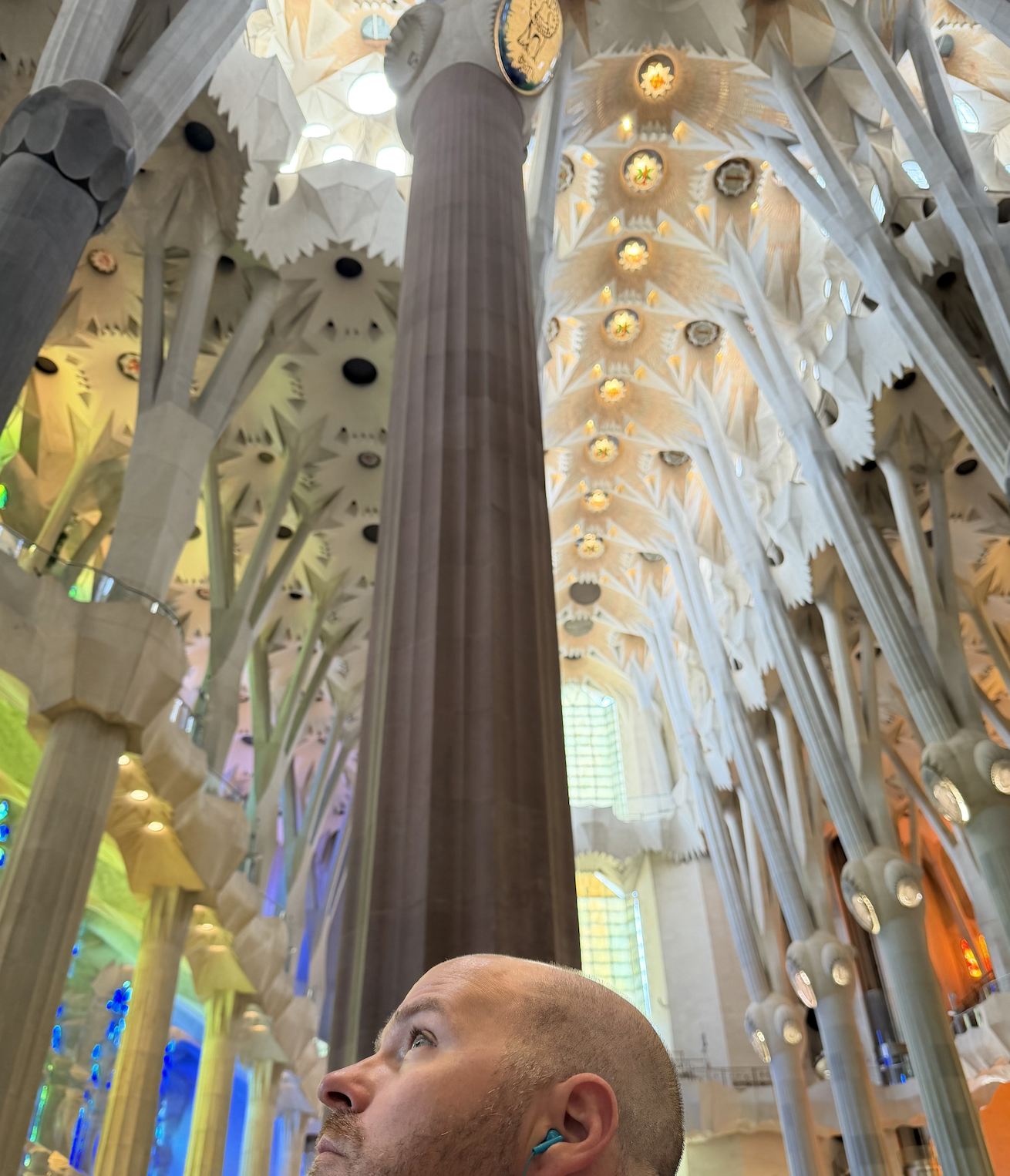
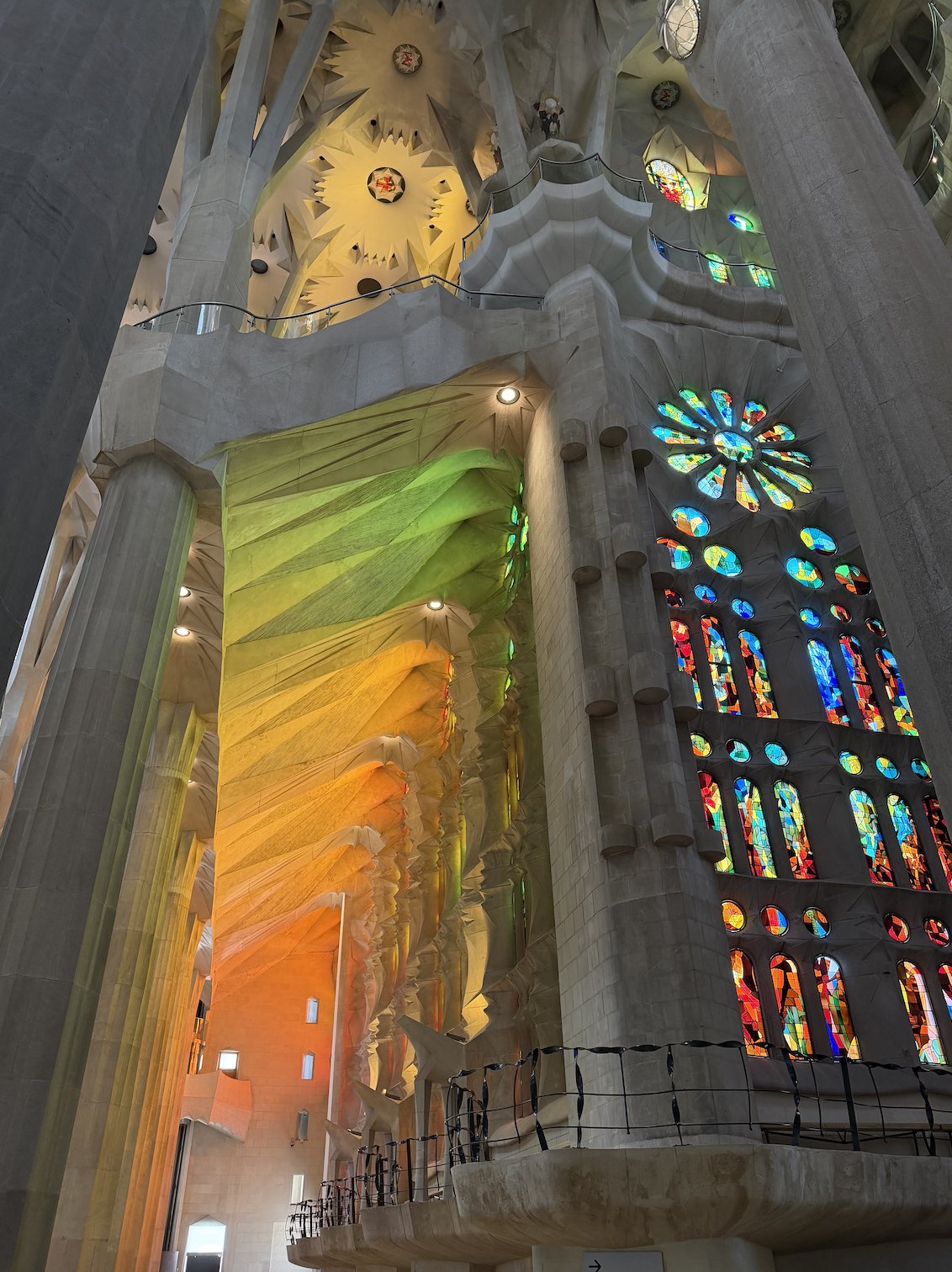
Our tour finished inside the building, and our guide left us to stay and continue exploring, or we could leave. We stayed. “Let’s go over here.” “What’s down there?” “Should we sit?” We found our way to the pews in the middle of the building but I was lost in my emotions. I thought about my family and my favorite people. I thought of my kids, the ones we love and missed, and the ones we never met. I thought of the future and what our kids would become. If they would travel with their spouses. If they would have kids. If they would be made contemplative by a story, in a building, and if they would think of me, or their own kids the way I was thinking about them. Tony later told me he said a prayer too.
After leaving Sagrada Família, we walked down the street a few blocks to a chic, little restaurant for lunch. Tony found it. I struggled, in Spanish, to communicate clearly with the host. “Hi, yes, we’d like to come in.” “Yes, we’d like to eat and drink. Both.” “No, we don’t have a reservation.” “We should leave?” “We can stay?” “What’s going on?” In my mind, I was elsewhere, and outwardly impatient, perhaps rude. They seated us in the back. I cooled off, and almost silently, we ordered drinks. “I think I’m ok now,” I said, eventually.
“Good.”
“I mean - what we were talking about a few days ago, about how I hated to leave the kids. You really think we only have a couple years before they stop hugging us? I think I need to be like Gaudí. Can you imagine being chosen to design and build a huge, artistic church that you’ll never see to completion? If they ever finish this thing and they decide to have a party, you won’t be there. And maybe another designer along the way completely changes your plans and ruins everything - or gets more recognition than you? Did Gaudí think like that? I think, with the kids, I have to realize that I’m starting something that I’ll never see the end of. I have to be so bold and loving in my vision and my methods, but I have to be prepared to give it away and trust that the next hands can carry on the work. I don’t think I’m good at embracing that feeling, yet, but I need to be. I have to do everything I can right now to give the kids the best shot for the future. I have to learn that I won’t be there for everything, and, as much as it burns me, I have to accept it, or at least try. The success of the mission won’t be determined in my lifetime and I think I have to be ok with that.”
We kept talking about the grandeur of the church, and history, and our family, and I left the meal clearer-headed than when I walked into the restaurant. We went back to the hotel, packed our luggage in the car, again, and began another, albeit shorter, drive to Sitges, the quiet beach town nearby.
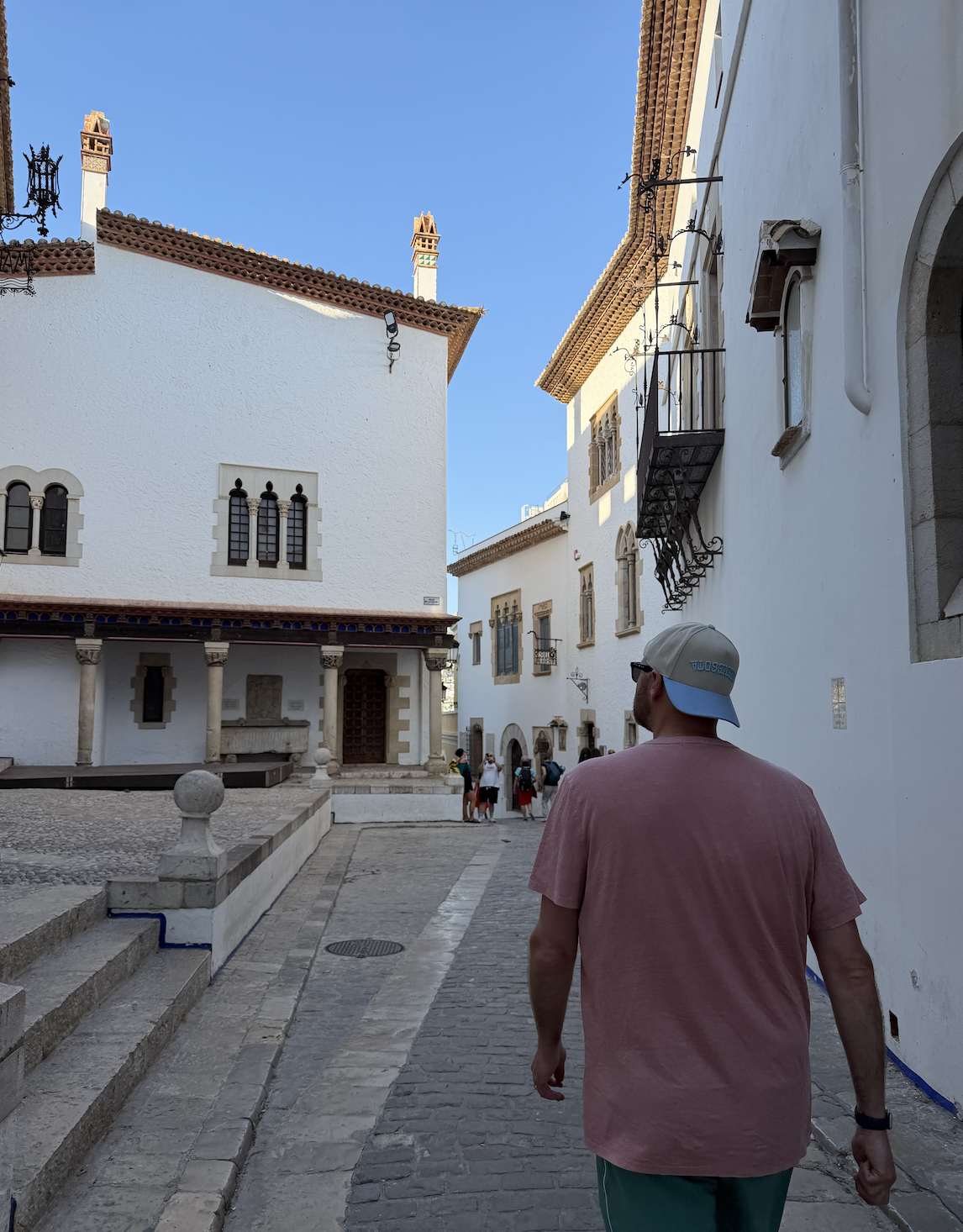
That night, we arrived at Alfresco Restaurante, promptly, for our reservation at 8:30; an early time-slot by Spanish standards. It was tiny, with maybe 15 tables that I could quickly count; almost no one there. They host sat us at a small table in the corner of the courtyard. In a pleasant, chatty mood, we drooled over each dish and wondered what the ‘catch of the day’ was that day; the most expensive item on the menu. We ordered a few things and I declared I would be taking a break from the seafood dishes, which I had been ordering at other places. “It’s tasting too much like the sea to me, and not the good part.” Tony ordered scallops. They asked us if we would like wine. “Of course!” Javier would be over to our table shortly. He told us he had a recommendation, that we’d like it, and it’d be right out.
As more people entered, I noticed that at least three parties around us appeared multigenerational; older adults with their adult children. They looked like locals, regulars, to be sure, effortlessly dressed with the local clothes and customs; not an oversized t-shirt or running shoe in sight. I listened as the man next to us told his parents to order whatever they wanted, it was all good, but they should save room for dessert. “Xavi’s going to want to bring us something as soon as he meets you,” he said. Sure enough, after their introduction I heard Javier say something about “postres” and he walked away with a wink and a smile.
I sat at that table and I missed the kids more than ever. I wanted to see their faces sitting across from me. I wanted to see what they would order for dessert (each night, away from us, they were taking turns coming up with desserts for grandma and grandpa to make. A gummy bear and whipped cream concoction was an 11 out of 10 they said), and I wanted to talk with them about the world. They’re so inquisitive and curious and they frequently stump me, the expert. “Search it up,” they say. I sat there with Tony, happy, in love, enjoying ourselves, and I knew that the kids were at the cabin with their grandparents doing the same thing. I ate the scallops. They were fantastic.
I didn’t need to go to Spain to think about my kids and learn an important life lesson. I can do that for a lot less money in the comfort of my home with my kids right in front of me. However, the distance and the break from the rigors of daily parenting were wonderful. I’m not the type who’s great at making recommendations. I can’t begin to decide what people would like, or afford, or have time for, so I don’t pretend to try. I’m happy letting everyone do their own thing. And, more importantly, I have absolutely zero therapeutic advice for how to handle the ache that comes with realizing the things you love the most won’t stay this way forever. But, if I could tell you anything, I’d tell you to book the trip. Get lost. Get confused. Ask questions. Go see the thing you’ve always wanted to see. Linger. Find something awe-inspiring; doesn’t have to be big. Maybe you sit in a church and say a prayer, or cry, or laugh. Maybe you sit on the beach and listen to the waves, and laugh or cry. Ask the woman next to you what song she’s singing. Ask in Spanish. Go to Sitges. Make a reservation at Alfresco. Try to get a seat in the courtyard. Ask for more of the free appetizer. Ask politely. What is that sauce?! Order the scallops. Let Xavi pick the wine; it’ll be right out. And he’ll pour it and tell you about it and you can look around and think about how lucky you are to have the best person in the world sitting right next to you, three beautiful kids, safe at home, and know that the work you’re doing today will mean something tomorrow, even if you aren’t there to see it.